NVIDIA Cosmos 3: Unveiling the Open Omni-model for Physical AI and Robotics
Quick Summary
- NVIDIA introduces Cosmos 3, an groundbreaking open omni-model designed to empower physical AI with advanced reasoning and action capabilities.
- This innovative platform bridges the gap between perception and physical execution, setting a new standard for embodied AI and robotics development.
NVIDIA Cosmos 3: Unveiling the Open Omni-model for Physical AI and Robotics
The landscape of artificial intelligence is rapidly evolving, pushing boundaries beyond digital interfaces into the physical world. As robots become increasingly sophisticated, the need for AI models capable of understanding, reasoning, and acting within complex environments is paramount. NVIDIA, a pioneer in AI innovation, is once again at the forefront with the introduction of NVIDIA Cosmos 3—a revolutionary open omni-model poised to redefine physical AI.
Bridging the Gap: The Vision of Cosmos 3
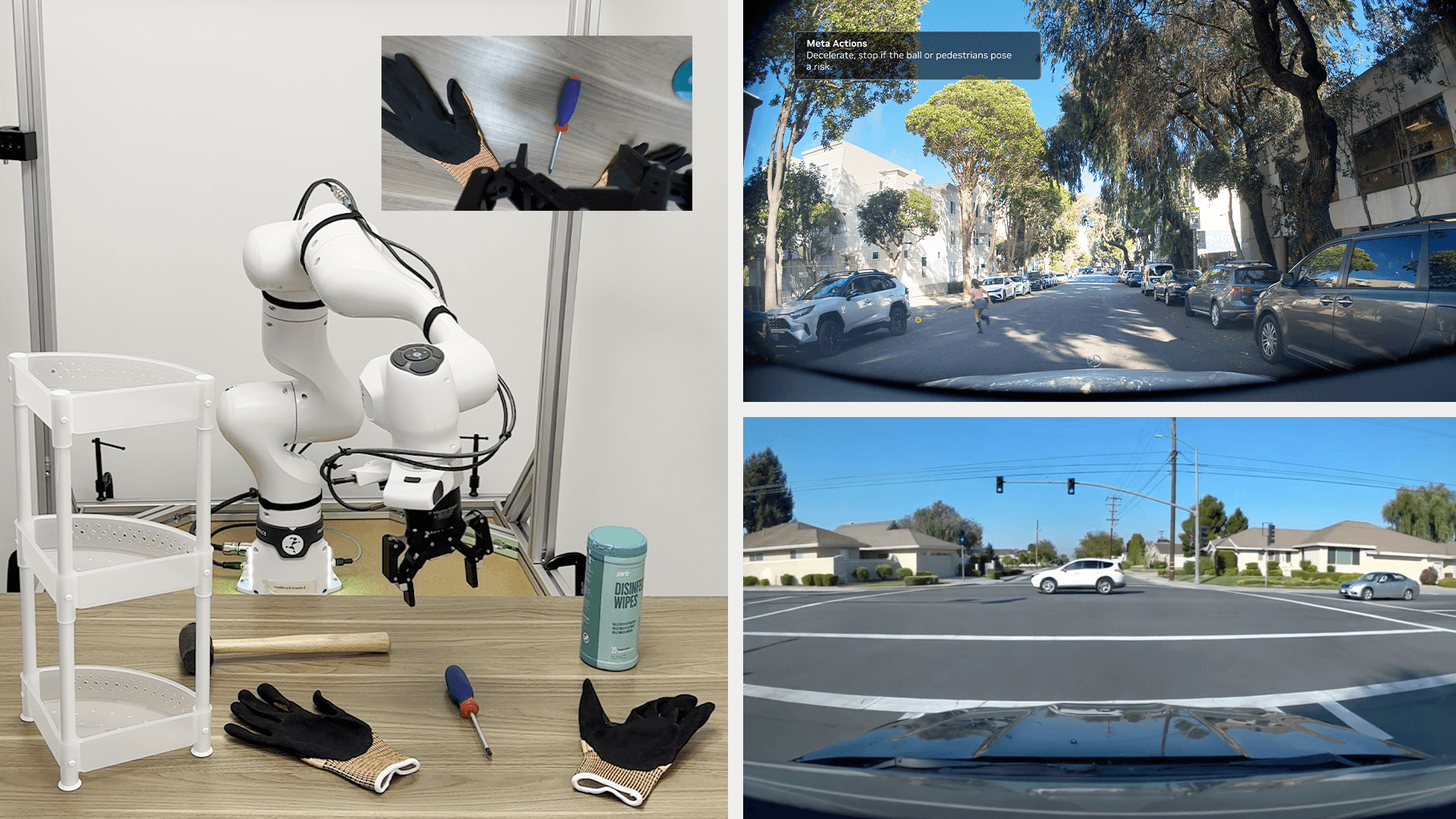
NVIDIA Cosmos 3 emerges as a critical advancement in embodied AI, representing the first open omni-model specifically engineered for physical AI reasoning and action. This next-generation model aims to equip intelligent agents, particularly robots, with the cognitive ability to perceive their surroundings, process multi-modal information, make informed decisions, and execute precise actions in the real world. Its release, notably highlighted on platforms like Hugging Face, underscores NVIDIA's commitment to fostering an open, collaborative ecosystem for AI research and development.
Unlike traditional AI models often specialized for singular tasks, Cosmos 3 is an “omni-model,” signifying its capacity to handle diverse data types—from visual inputs and natural language commands to tactile feedback and environmental sensor data. This holistic approach allows it to develop a richer understanding of physical reality, moving closer to how humans perceive and interact with the world.
Key Highlights and Features of NVIDIA Cosmos 3
NVIDIA Cosmos 3 boasts several innovative features that position it as a game-changer for physical AI:
- Omni-modal Intelligence: Integrates and processes a wide array of inputs including vision, speech, text, and environmental sensor data, enabling a comprehensive understanding of real-world scenarios.
- Advanced Physical Reasoning: Endows AI with the ability to reason about physics, object properties, spatial relationships, and cause-and-effect, crucial for navigating and manipulating physical environments safely and effectively.
- Intelligent Action Generation: Translates high-level goals and reasoning into precise, executable physical actions for robotic systems, from grasping objects to complex assembly tasks.
- Open Access and Collaboration: Released as an open model, it invites researchers, developers, and organizations globally to experiment, build upon, and contribute to its capabilities, accelerating innovation across the board.
- Scalability and Generalization: Designed to learn and adapt across a wide range of tasks and environments, reducing the need for extensive retraining for every new application.
- Seamless Integration: Expected to integrate smoothly with NVIDIA's broader ecosystem, including simulation platforms like NVIDIA Isaac Sim, for robust training, testing, and deployment of embodied AI agents.
Why This Matters: Impact on Robotics and Beyond
The introduction of NVIDIA Cosmos 3 carries profound implications for the future of AI and robotics:
- Accelerated Robotics Development: By providing a robust foundation for perception, reasoning, and action, Cosmos 3 can significantly reduce the development cycle for advanced robotic applications across industries such as manufacturing, logistics, healthcare, and autonomous vehicles.
- Democratization of Embodied AI: Its open nature on platforms like Hugging Face lowers the barrier to entry for researchers and startups, fostering a more inclusive and innovative environment for developing intelligent physical systems.
- Enhanced Human-Robot Interaction: Robots powered by Cosmos 3 will be more intuitive and capable of understanding human intent, leading to safer, more collaborative, and effective interactions.
- Foundation for General-Purpose AI in Physical Space: Cosmos 3 represents a significant step towards creating more generalized AI agents that can adapt to unforeseen situations and perform a multitude of tasks without explicit pre-programming, laying groundwork for future breakthroughs in artificial general intelligence (AGI) within embodied systems.
- NVIDIA's Strategic Leadership: This release further solidifies NVIDIA's position as a critical enabler of the AI revolution, providing not only the hardware (GPUs) but also the foundational software and models necessary for the next wave of intelligent machines.
Conclusion: Paving the Way for Autonomous Futures
NVIDIA Cosmos 3 stands as a monumental leap forward for physical AI. By offering an open, omni-modal model for reasoning and action, NVIDIA is empowering developers and researchers to build more intelligent, adaptable, and autonomous robots than ever before. This initiative is not just about advancing technology; it's about shaping a future where AI-driven physical systems seamlessly integrate into our lives, performing complex tasks, enhancing productivity, and addressing some of humanity's most pressing challenges. The journey toward truly intelligent physical AI is long, but with Cosmos 3, NVIDIA has provided a powerful new compass.