Unlocking the Secrets of AI Agents: Lessons from Hugging Face's Shippy Project
Quick Summary
- Hugging Face's development of "Shippy," a pioneering AI agent, offers invaluable insights into the practical challenges and best practices for building robust autonomous systems.
- This exploration delves into the crucial lessons learned, from prompt engineering to tool integration, paving the way for the next generation of intelligent agents.
Unlocking the Secrets of AI Agents: Lessons from Hugging Face's Shippy Project
The landscape of artificial intelligence is rapidly evolving, with AI agents emerging as a frontier promising to revolutionize how we interact with technology and automate complex tasks. These autonomous entities, capable of understanding, planning, and executing actions, represent a significant leap beyond simple chatbots. However, the journey from concept to a functional, reliable agent is fraught with intricate challenges. Hugging Face, a vanguard in open-source AI, recently shared profound insights gleaned from the development of their agent, "Shippy," offering a crucial roadmap for anyone venturing into this exciting domain.
The Shippy Project: A Deep Dive into Agent Construction
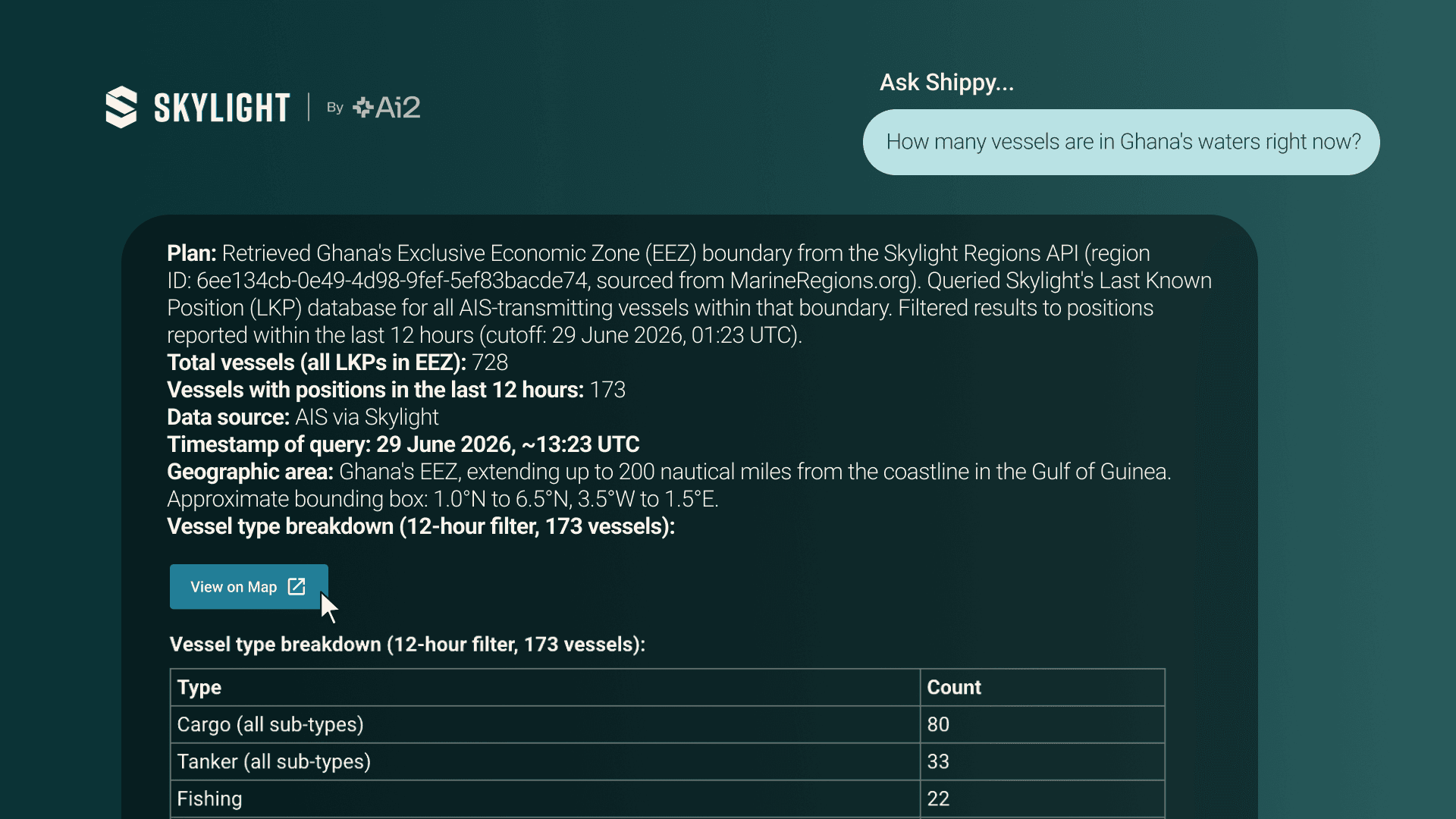
The "Shippy" project served as a real-world crucible for understanding the practicalities of building sophisticated AI agents. While the specific functionalities of Shippy might vary, the core lessons revolve around the iterative process of transforming abstract goals into concrete, executable actions within a dynamic environment. Hugging Face's experience underscores that creating an effective agent is not merely about plugging in a large language model (LLM), but rather about orchestrating a complex system where the LLM acts as the brain, supported by a robust architecture for perception, planning, and action. The team tackled fundamental hurdles like ensuring agents maintain coherent state, utilize external tools effectively, and recover gracefully from errors – all critical for moving beyond simple demonstrations to deployable solutions.
Key Highlights and Practical Takeaways
The development journey with Shippy yielded several invaluable insights, forming a blueprint for future agent development:
- Structured Prompt Engineering is Paramount: Beyond basic instructions, agents require meticulously crafted prompts that guide their reasoning, define their persona, and establish clear boundaries for their actions. This includes providing examples, defining output formats, and explicitly outlining available tools.
- Robust Tool Integration is Non-Negotiable: For an agent to be truly autonomous, it must interact with the real world. Shippy's development highlighted the critical need for seamless, reliable integration with external APIs and custom tools, enabling the agent to perform specific actions like data retrieval, calculations, or system commands. Error handling within tool calls proved especially vital.
- Memory and State Management are Foundational: Agents need to remember past interactions and their current goals to maintain context and coherence over time. This involves designing effective short-term conversational memory and potentially long-term knowledge bases to inform future decisions.
- Iterative Development and Evaluation Loops: Building agents is an empirical science. Shippy's success hinged on continuous testing, observing agent behavior, identifying failure modes (e.g., hallucinations, infinite loops), and iteratively refining prompts, tools, and the underlying architecture.
- The Importance of Self-Correction and Guardrails: Agents are prone to errors. Lessons from Shippy emphasized the need for mechanisms that allow agents to identify and correct their mistakes, ask for clarification, or fall back to safe defaults when uncertain, preventing undesirable or erroneous outputs.
Why This Matters: Paving the Way for Reliable AI Autonomy
These lessons from the Shippy project are not merely technical minutiae; they are foundational to the widespread adoption and trustworthiness of AI agents across industries. As businesses look to leverage AI for tasks ranging from customer service and data analysis to complex scientific research, the ability to build agents that are reliable, predictable, and adaptable becomes paramount. Hugging Face's candid sharing of these experiences democratizes knowledge, allowing developers and organizations worldwide to accelerate their own agent initiatives, avoid common pitfalls, and build more robust, beneficial AI systems. It signifies a collective step forward in understanding how to harness the immense potential of LLMs within intelligent, autonomous frameworks.
Conclusion: The Future is Agentic
The journey of building Shippy has underscored that while LLMs provide extraordinary reasoning capabilities, they are just one component of a truly effective AI agent. The path to creating truly autonomous and intelligent systems requires a holistic approach, focusing on meticulous design, robust engineering, and continuous refinement. Hugging Face's valuable insights serve as a beacon, guiding the community towards a future where AI agents move beyond experimental curiosities to become indispensable partners in solving real-world problems. As we continue to learn from pioneering projects like Shippy, the dream of sophisticated, reliable AI autonomy moves steadily closer to reality.